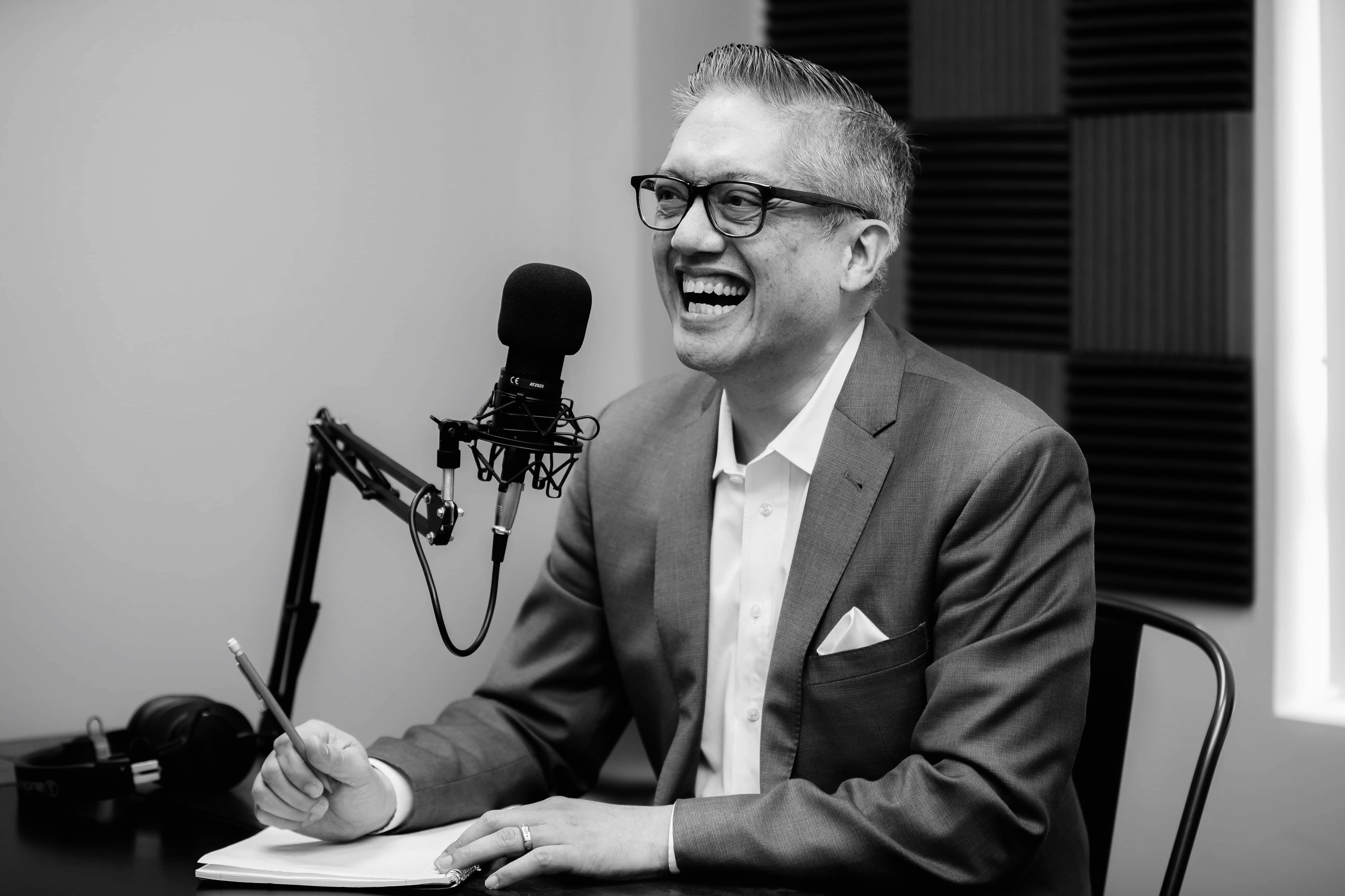
Disconnected in a Connected World...
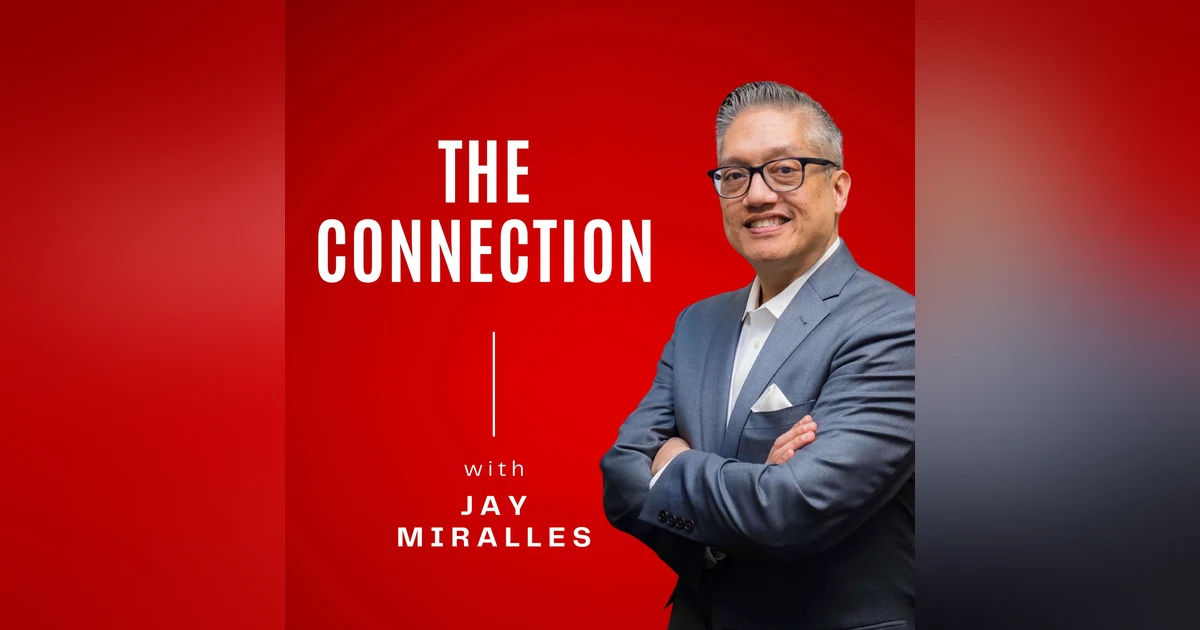

"Text now! I'll Respond" What if the most “connected” era is quietly starving our need for belonging? Jay takes a hard, honest look at how screens reshape attention, how comments replaced conversations, and why hearts can feel empty even when feeds look full. This isn’t tech-bashing; it’s a practical, human blueprint for getting your presence back. We unpack sobering screen-time habits, the anxiety that flares when devices are out of reach, and the subtle ways “busy” becomes a shield that k...

 Apple Podcasts

 YouTube

 Spotify

 Overcast

 PocketCasts

 RSS Feed

 Amazon Music
What if the most “connected” era is quietly starving our need for belonging? Jay takes a hard, honest look at how screens reshape attention, how comments replaced conversations, and why hearts can feel empty even when feeds look full. This isn’t tech-bashing; it’s a practical, human blueprint for getting your presence back.
We unpack sobering screen-time habits, the anxiety that flares when devices are out of reach, and the subtle ways “busy” becomes a shield that keeps us from people. Jay shares personal moments when someone chose to show up instead of send an emoji—and why those memories outlast any like or share. You’ll hear a simple rule to stop text threads from spiraling into confusion, plus the questions that turn small talk into real talk with friends, family, and coworkers.
The heart of the conversation is action. Jay lays out three challenges you can do today: make the call instead of the comment, show up with a small act of care instead of another heart emoji, and reclaim five hours this week with a one-hour-per-day phone diet. We also explore leadership that listens, meaningful eye contact, handshakes and appropriate hugs, and the reminder that moments—not metrics—define a life well lived. Technology remains a powerful tool, but belonging is built face to face.
Ready to trade dopamine hits for depth and turn access into intimacy? Press play, take one small step, and tell us who you’ll reach out to today. Subscribe, rate, and review to support the show, and share this episode with someone who could use a nudge toward real connection.
Thank you for listening to The Connection Podcast with Jay Miralles. Please subscribe and share!
WEBSITE
https://www.letsgo321.com
GET IN TOUCH
https://flow.page/jaymiralles
BUY MY BOOK
https://books.by/jaymiralles
PLEASE SUBSCRIBE
https://www.youtube.com/@jaymirallestheconnection
00:11 - Framing The Connection Mission
00:29 - Tech Connection Vs Human Disconnection
02:36 - When Conversation Became Comments
03:17 - Screen Time Stats And Wake-Up Call
05:18 - Show Up: Presence Over Posts
07:10 - Busy As A Shield From People
09:20 - Phones, Anxiety, And Empty Feeds
12:19 - Validation Vs Belonging
14:52 - Parents, Kids, And Online Risk
17:38 - Three Practical Connection Challenges
20:01 - Beyond Emojis: Let Them Hear You
22:20 - Moments Matter More Than Metrics
24:39 - Airplane Mode And Eye Contact
26:27 - Handshakes, Hugs, And Real Presence
28:55 - A One-Hour-Per-Day Phone Diet
31:12 - Ask Better Questions, Build Depth
33:21 - Connection At Work And Leadership
35:12 - Many Channels, Less Connection
37:06 - AI Is Tool, Not Relationship
0:11 Connecting the dots. Connecting his guests to the world. Creating more connections. Welcome to the connection. Meet your host, author, coach, Air Force veteran, Jay Morales. All right, there's something I want to talk about, something that's stealing more from us than we realize. And in a world that we are connected with social media and technology and video messaging, text messaging, email, uh, voicemail, all the things that we can do that don't require the presence of a human being is actually creating more disconnection for us.
0:56 So when did this happen? If you look back, you know, when was the last time you sat with someone, phone face down, and gave them your full attention? Even then, when you're sitting with somebody and you put your phone face down, is that does that really mean you're really paying attention? Or is that provisionally telling someone like, listen, you're you're important enough for me to keep my phone on the table, but I'm gonna keep it face down. But in case it vibrates, I need to check it, right? There's one thing. And when did conversation turn into comments and connection turn into content? When when did that happen?
1:37 So I want to visit a quick stat here, and just you know, just doing a little bit of homework and a little bit of research. But according to some user groups on Reddit, the average person spends seven plus hours a day on screen time. And that's not just the phone screen. That's just looking at many screens, right? That's looking at your car screen, that's looking at your phone screen, that's looking at your computer screen, screens at work, screens at home, screens on your way to and from the things that you really need to do. And we're always looking for dashboards, we're looking for everything in a centralized place, we're looking for convenience when it's really creating disconnection.
2:21 We're the most connected generation ever, the most technologically advanced and somehow still the loneliest. And again, here's what I'll say: today is not about demonizing technology, it's it's about reclaiming presence. And what sparked me to talk about this was church on Sunday, you know, and I want to credit Pastor Craig Groschel for going through, you know, talking about the connected world or, you know, being connected. And my podcast is the connection. And it's almost ironic. And here I am on a solo podcast, not connected to anyone, but hopefully I'll connect with you.
3:05 So, you know, a friend actually showed up instead of texting, you know, when I went through, you know, difficult times. And I can recall stories, you know, where people actually showed up, where they didn't send me an emoji, or they didn't uh just wish me happy birthday on, you know, social media, or they didn't say prayers or with you. They actually showed up, you know, and and I can think of a few times in my life where people got from behind the screen, they even called, or they visited, or they they they took the time out of their day just to show up, you know.
3:51 And in some of those stories that I'll share with you later, um, the moment reminded me, you know, the connection isn't in likes or subscribes or what have you. It's in eye contact. And, you know, we talk about the connection. We talk about being in a tribe and hanging out with the people that are, you know, our five friends make up, you know, who we are. But but if you really think of it, when was the last time you were around people and you really connected with them? And I'll talk about this in the business world, personal life, and you know, um, just out and about in the presence of community. But sometimes the difference between I care and I'm here is about 10 feet.
4:37 The distance between your couch and their door, right? Or it's one phone call away, or it's just a visit, you know. Think of all the things that you've got to go through today. Think of your day or think of how your day went. You know, this might be later on in the day, it might be early on in the day, but think about tomorrow. Think about the time that you haven't taken yet, but you're going to plan for it. So if you look at the next day, which is tomorrow, you might say to yourself, okay, I would reach out to so-and-so, but I'm so busy. Gosh, life is just busy. This is what we tell ourselves. We romanticize with the fact that being busy allows us to shield ourselves from people, or it causes us to shield ourselves from people, or it excuses us from having connection to say, you know, I would have contacted you, but I just got back from so-and-so.
5:36 And you know, if you really think about it, and and I've done this myself, you know, people have contacted me and, you know, oh my gosh, I forgot to get back to you. You know, I just had a trip, I had a funeral, and my gosh, that could have been seven days ago. And we still hang on to the excuses so that we don't hurt anyone's feelings. And when you don't connect with people because you're too busy, you might want to take a step back and inventory your own life, right? It's not just friends and colleagues and coworkers, it's your own family, you know.
6:17 Um let's be real, okay? Phone phones aren't bad. They're they're actually, you know, leverage. Um, you know, but they have quietly taken our attention. Our if if if attention was currency, you know, and it have had a value of money to it, think of how much money you'd be spending on that phone time. You know, but they have phones have taken center stage and and you don't even think about it, right? Adults spend seven hours a day on screens on average, right? Just check, check your phone app. Look in your app on your phone in the settings, and you'll see screen time. And it will tell you exactly where your time has gone on the phone.
7:02 And the first thing you do when you look at it, you say, Well, I had to get on email, I had to get on text message, I had to do, you know, on Chrome, or I had to get on Instagram or Snapchat. What's even crazier is our teens spend eight to nine hours a day on the phone. Think of that. Just, hey, ask your kid, let me go look at your phone real quick. Just check the settings, go there, I'll put the instructions on how to see how much screen time there is. You know, and again, I'm not chastising because I'm involved in this too. And I want to talk about it. I want to address it.
7:42 Here's what's even crazier 68% of people feel anxiety when separated from their phones. Umophobia, fear of being without your phone. And it's real, and it's the absence of connection, or it's the absence of you know, just not having um something to have connected to your friends and texting and phoning, and you know, you you you can get into that whole rabbit hole of what it is, but um what our pastor at at church said yesterday is our our phones fill the moment, but they don't fill the soul.
8:30 And I was like, ooh. And then another one he said, he said, our feeds are full, but our hearts are empty. And and I want to kind of talk about that, right? Where we're confusing, you know, digital presence with real connection. We're chasing validation instead of building belonging. It's kind of my tie back to the connection. It's crazy because people do sometimes want to isolate themselves. And and again, I don't want to take credit for this outline. I just want to add color commentary and refer back to what I heard yesterday. But, you know, my time and and me and my comfort and my alone time, and you know, my time is precious, and I do this, I do that.
9:23 It's so crazy because we justify me time, which which is not bad, right? You got to take care of yourself. But when you're on the phone for let's even say four hours a day for some of you people, five hours a day, you know, on social media, just on the phone physically, scrolling through social media, what could you have done with those four hours? What what could you instead you're on the phone for four hours, liking, reposting, resharing, doing, you know, commenting on other people's stuff. And, you know, what kills me the most is when someone says, you know, and I do it too, hey, oh, we're we're gonna, you're, you're in our thoughts and prayers, right?
10:10 Like just worst case scenario, write out the prayer. Or instead of trying to get your comment perfect online, pick up the phone and just say, hey, you're on my mind. I want to let you know that I am here for you. And sometimes the reverberation of that voice as you hear mine now is important because how many times do we talk about texting getting lost in translation? We talk about it all the time. We talk about, wait, what do they mean by that? What do they mean by that text? Was it, oh, they put an emoji at the end, smiley face. Okay, it's okay. Like it's so crazy that we even have to go to that level of telling someone something, or or here's what I love the most.
10:58 Happy Tuesday, happy Sunday, or you know, great day. Like, is it really that great on text message? You know what I mean? When you're when you're trying to greet somebody, and I get it. Pleasantries, trying to be courteous, but you know, and and most people in business, you know, sometimes are so busy that they prefer a text message. I get it. But my gosh, how oh, you know, you could have just told me that over text. I I get it, you know what I mean? But at what point do you start losing the human touch? At what point I have a rule for myself.
11:39 Uh after two or three texts, really, I'm like, I'm picking up the phone. I have to pick up the phone because if I keep going back and forth, things get lost in translation, things get misconstrued. There is no tone, there is no tone to your voice on text message or email. There's just not. You can write the best email in the world, and the person on the other side, if they don't hear the intonation of your voice, they think it's the worst of the world, right? Or they think, um, you know, they're they're able to just create some kind of story in their head that really doesn't even jive with the message. But, you know, scrolling through other people's highlight reels while, you know, sitting on the couch and you're losing sleep.
12:28 I mean, that's that's the new epidemic. You know, you're you're creating more distance, really, I think sometimes. And here's what's crazy you like photos of people you don't even talk to anymore. I mean, I know it's funny, but think about that. You like someone's photo, you even made a comment, but you never talk to them. And what's even crazier is I know people see themselves in the stores or out and about, and they sometimes even avoid eye contact or they don't say hello at all. You know, they they'd rather just be on, you know, on great.
13:09 I mean, they'd rather just be on Facebook and chat, I guess, but here's the other part. Comparison. Comparison is another hard truth there. And it's it's not that you get on there, so I wish I had their car. You don't say that, right? You don't say it all directly. You even judge, you say, Oh, it must be nice. Oh, gosh, look, they have another car. Oh, look, they're doing this. Now they're going on vacation. Oh, um, look at their morning routine. They have a five-step morning routine, they have vacation filters. Well, look at their kids are are wearing these outfits. I mean, we do it all the time.
13:51 Um, it's it's crazy to me. But outside of our own house, there are one, two, three. I'm surrounded by houses, you know, probably 20 houses within, I don't know, 50 steps of where I live. Okay. But do I know my neighbors? Thank God I'm social and I love to introduce myself. And because I want to know what environment I live in. But, you know, I do catch myself instead of walking over to my friend John's house and congratulating on his kids in sports.
14:33 I'm just commenting online. I'm just creating a heart emoji or a thumbs up. That's the other thing, aggressive or passive aggressive thumb. Thumbs up. What does that really mean? It's funny because I see more people more and more in real life just giving the thumbs up. They've been conditioned by social media that that is that is the way to communicate. I mean, that would be weird back in the day to just a thumbs up. You know what I mean? But everyone's doing it now. Um we compare jobs, we compare, hey, careers, we compare what are they doing, what are we doing, you know? Um, and and listen, it it's not that we don't care, we're just very distracted.
15:19 You know, we've traded depth of relationship for dopamine hits. And um, you know, the reflection question is this who would you be if you stopped scrolling long enough to remember what matters most? Who would you be if you stop scrolling long enough to remember what matters most? It's a pretty powerful question, you know. And um how we're modeling this, you know, as adults, as parents, as leaders, as, you know, uh members of society, um we tell our kids to get off their phones.
16:03 But guess what? We're glued to ours too. You know, we we didn't just hand them the problem, we created it, we modeled it, right? That's what Pastor Grochel said, you know, and and I do kind of agree with that because at what age are you saying, okay, well, I guess you're 10 now, 12 now, you know. I'm I'm interested, you know, in comments below, would you put what age is appropriate or what age you gave your kid a phone and what age you said, hey, maybe there should be an age, right? You know, and here's the other part. We we overprotect them. You know, Pastor Greg Rochel said, we over-protect them in the real world, but we underprotect them online, right?
16:48 Be careful, put your jacket on, make sure you eat enough, make sure you're courteous, make sure you be careful. Don't don't get into a fight, don't do this, be, you know, watch when you change lanes and all those other things. But guess what? When we give them this phone, we give them access to everything, all the bad things too, all the things that you don't want your kid to run into. All the subjects in the world, right? All the vulnerabilities, all the liabilities, they are seeing it, they are hearing it, they are reading about it, and you know, unfortunately, it gets to some of them.
17:28 You know, part the part that I'm wanting to challenge you is, you know, into reconnecting, building real community again, right? So, how do we reclaim real connection? How can you go about and reconnect? How can you go about and revitalize the relationships perhaps that you're craving most? And it's it's not hard. There's three simple things that I want to challenge you with, right? This this is just three simple things that you can do practical today. And you'd feel a lot better. It it would be refreshing. Number one, don't just text, make a call.
18:13 So I don't mean every phone call. I mean the calls where if you look online and see someone needs a hand help, or you know, somebody that you've been wanting to connect with that you haven't spoken with in a while because maybe you're not on great terms. Don't just text them, call them. Oh, well, what if they don't answer? Well, what if they're busy? What if listen, if you call and they answer, guess what? That's part of it. But if you don't call, you're not gonna connect. Let somebody hear your voice, right? Emotion doesn't translate in emojis. Sorry, it just doesn't. You know, happy face, sad face, all those things.
18:54 They're not real. And then here's the other part. Challenge number two. Don't just like on someone's post, right? When someone's going through something, it's easy to say, oh, hey, messenger, I just saw that you're going through something, hard thoughts and prayers. Or you see someone, you know, one of your friends, one of your coworkers. You know, it's it's one thing to send, you know, DoorDash or Uber Eats. Why don't you just bring something yourself? When was the last time you took 20 minutes to go down to someone's place and deliver a chicken pot pie?
19:37 I know it sounds crazy. Maybe whatever it is. I don't care what it is. Or maybe you run to the store and drop it. And maybe it's not even a long visit. Hey, I just wanted to pass by. I wanted to drop this off for you and your family. Hey, you know what? I wanted to mow your grass here. Don't even tell them. I don't, no one ever got, I never got mad at anyone for mowing my grass ever. Here's the other part. The snow's gonna start here sometime soon. Go shovel a driveway for somebody, you know, who you think is going through something hard. Here's what we do when we someone's going through hard time. We always do this. Hey, do you need help? Are you okay? Is everything all right? And guess what they say?
20:17 Yeah, everything's all right. Yeah, it's okay. Of course. They're not gonna ask you for your help. Well, well, what if I bring them dinner and they already had it? Okay, good. They can freeze it. Well, what if I bring over a pot uh uh of flowers and and they don't like it? I don't think they're gonna throw it back at you. It's the gesture of time and connection, right? Even if they don't see you, you took the time to drop off that pot at their house versus just thumbs up or like or uh heart emoji, heart emoji. Like, do these things really mean anything anymore? And it's crazy because I don't know.
20:59 It's um it's it's just uh uh a phenomenon at you know, just what I've been thinking about lately, what you know, Pastor Craig, you know, or Pastor uh Craig Rochelle said the other day. And I don't know, it's just it was something that I've wanted to talk about connection for so long. Uh obviously the connection isn't just a podcast, it's it's a reminder that every one of us can start a ripple of real relationships again. And to me, to find out the connection where somebody's connected, what they're what they're connected to, what makes them tick, you know, um, who they're connected to, how they're connected to. Connection is important, and I talk about this all the time is relationships.
21:41 Relationships. Um, here's what's crazy. At the end of your life, if you look around a casket, it's not going to be heart emojis. Right? I don't care how many heart emojis someone has, there they will not a heart emoji will never substitute for a polar bear. I know. Sounds harsh. You know, at the end of your life, you won't wish you had more followers. I promise you that. You'll wish you had more moments, more time. And and and I keep hearing about stories and people where, you know, people on their on their final, you know, days or their final moments or when they're critical part of their lives.
22:25 I don't think anyone's like, I wish I made more money, or I wish I got more emojis, or I wish I got more reposts. No. You know, it it's crazy at the moments in life that we do have. And we and those are memorable. And when I talk about moments, there's a few things that stand out. Maybe it's a good memory. Maybe it's a hard time that you went through and and you actually got through it, right? You know, th there's moments in life that define, you know, periods of time. It's losing a job, getting a job, and it being the best thing that has happened to you in a while, or having a baby and or getting married, or you know, sometimes it's it's transition, it's it's a death in the family.
23:23 It's it's all the things that you can't just record on a phone, I guess. You know, I'm trying to choose the right words. And taking a picture of something, you know, and sending it to someone is I get it, like of, oh, here's my food or here's this, you know, it's not the same as being there. Um something that I suggest right, you know, right after this is put your phone on airplane mode for an hour. Just put on airplane mode, right? It'll it'll shut off all the data, should shut off the Wi-Fi, watch what happens. And then when you feel the urge to scroll, ask yourself, what am I avoiding? When you feel the urge to scroll, ask yourself, what am I avoiding?
24:05 It sounds, it sounds funny though, but you'll you're avoiding the work in front of you. You're avoiding a difficult situation, the hard day, you're avoiding bad news. Like, what are you avoiding when you go scroll? You know, the connection starts when we put the phone down and you look someone in the eye. And and I I noticed this lately. People don't like to be looked in the eye or they're not as comfortable with it. And when they do, it's it's almost surreal because think about it, you know, where when before phones, there was just a lot of when I say before phones, before smartphones, there was more eye-to-eye conversation. There were things being done in boardrooms, there were things being done.
24:47 You know, I get it. Technology, again, I'm not demonizing it. You know, oh jay, Zoom is amazing because we can do so much business. I get it. But you know, instead of looking at a flat face on Zoom, it's great to handshake. It's great to see someone, to high-five somebody, to give a hug, you know, to show them maybe like when you shake someone's hand, how serious it feels. You know, and and that's the other part is the art of the handshake. You know, I I I'm a hugger, yes, I like to hug people, and and I think there's appropriate times and appropriate ways to hug people.
25:28 You know, you don't have to be a full frontal hugger. You can just, hey, let's let's hug this out. And, you know, you don't hug everybody, just you know, hug people that you can connect with. Um it's it's crazy though, of all the things that you think you're gonna go through today or this week, or the things that you've gone through, how you've missed the connection. There's ways to reclaim it. What if you could just challenge yourself for one week, one hour less a day for five days in a row? That's five more hours. What could you do? What could you do with five more hours in a week? And I'm not saying, oh, well, well, Jay, when I'm scrolling, I'm doing a intentionally, if you just said, I'm gonna take an hour today where I would have been on my phone and I'm going to pre-plan and I'm gonna do this, and I'm gonna give myself one hour less time on the phone or just phone diet, period.
26:27 What would that be like? Maybe you save it up all for the end of the week and you say, hey, I've last week I spent, you know, 50 hours on my phone. This week I spent 40. Maybe there's a reward there because the minute you start changing the behavior of the digital addiction, it starts to translate into good things. I I believe, I really believe it does. I mean, listen, there's some cool things that you learn online, there's some things that you are able to absorb and content that you're able to help, you know, learn, but sometimes it's better to be in the presence of other people. Um I don't know.
27:09 I just I want to ask questions. You know, what's what's one connection you've been neglecting? Okay, how about that? What's one connection that you have been neglecting? Is it maybe your spouse, maybe your parents, maybe your brothers and sisters, you know, maybe friends of yours, you know, hey, I haven't connected with so-and-so in a long time. It doesn't need to be anything elaborate, but it could go beyond the text. It could be picking up the phone and say, hello, I know we haven't spoken in a while. I just wanted to hear your voice. I just wanted to find out what exciting things you're up to.
27:49 And oh, that's the other thing too. The disconnect isn't just about, you know, not talking to people. It's even when we're in the midst of other people. Here's what happens. How are you? Good. How are you? Good, busy? Yeah, me too. What did you do this weekend? Oh my god, it was so busy. We have forgotten how to interact and and create good dialogue and good conversation because we speak in these, yep, yeah, like, sure. Uh-huh. Mm-hmm. Yeah. We forgot how to genuinely care for other people for more than 1.5 minutes.
28:32 We truly have. Hey, how's it going? You don't really want to know. Hey, how are you? Oh, good, how are you? And you don't even reply back. How about asking better questions? So, on one of the challenges, or one of the things you can do better this week is when you see someone after the weekend or someone from you know the next day, and and you know their kids played a game, how did your son's football game go? And don't just leave it there. Maybe how often? Who does he play for? What got him into football? Or, hey, I saw your daughter had tennis or baseball or softball or something, or hey, I saw you were building an addition onto your house.
29:22 How did you even get into something like that? How did you teach yourself? People around you have skills and traits and qualities and capacities that you don't even know about. That if you just stopped and listened for a second, maybe they want to offer that to you. Maybe they want to give you something of themselves. But guess what? We're so self centered that we don't care. Too often, the solution that we want is right in front of us and the people standing in front of us. But what's crazy is, you know, and I in ideal. With a lot of corporations, and I talk to people and they feel disconnected at work.
30:04 You know why? Because it's all about work. Now, work should not be to go to therapy and have your um laundry aired out to work, right? There's always people who are just the world is bad, everything's broken, and my weekend was terrible. Like, listen, that's not what work is for. I believe that you can have a connection at work. I believe that you can interact with people on a level deeper than just work. So here's what I'll say, and this plays a bit into leadership of connection. It's easy to email and text your people, right? But it's even more human to have a dialogue with them, to find out what's important to them beyond just texting, beyond just emailing, and finding out what makes them click, because what makes them click may align with their values.
30:59 And there, if their values align with the mission or the things that need to be carried at work, they just become more productive. But nobody asks them what's important to them. They ask, how are they? Good. How you been? Busy. Me too. I've been busy. That is the worst dialogue. I listen to people and I'm not judging. I just know how it's, hey, what's up? Nothing. How about you? Nothing. Same o, same. Listen to ask people, how are you today? They'll give you those answers because they're uncomfortable with deeper dialogue, because they don't want to bother you, because they don't want to be bothered, because they don't have time, because they're scrolling on their phone for five, six hours.
31:41 And that doesn't leave a lot of time for the human connection. Leaves plenty of time to do emojis, laugh out louds, um, reposting, sharing, things that nature. But so far as the connection, this digital world with 11 to 15 channels on how I can reach someone has me more disconnected than ever. It has me truly thinking, with all the ways I have to contact somebody, oh, they they know that I'm thinking about them. Oh, they saw me like their, you know, oh, they saw me um comment on their post.
32:23 And let's be honest, some of the comments aren't even being read. Or some of the comments that are being left aren't genuine. And it's just, it's just crazy to me. And then we've got this whole AI thing. Don't get me started on that, right? It's just AI is not connection, it's technology. AI is not a substitute for people, it never will be. Now, it's it's a bright, shiny object right now, and I think it's a great tool to use, you know, however you need to use it, but I think the digital world has got us more divided than ever.
33:04 What do you think? Is there a is there a point in time where we won't talk anymore? Will our speech and our language get modified? It already has been. You can hear how people speak, you can see how they spell, you can see how they behave. And I see it too, and and uh this is not the chastise where we put these digital devices in three-year-olds' hands in the restaurant, and they are they are knee deep into their iPad or whatever device they're on, or their phone, their mom and dad's phone, and they're three years old and it sues them, and they're you know, I I get it.
33:54 Like, I'm not telling you that I wouldn't have done that or I didn't do that. I I did do that, you know. I I remember, but when you're out at a restaurant and you travel hundreds of miles and there's other families that travel, and you know, again, I I don't understand, nor am I in the position to throw stones either. But I'm just saying, how did we get here? I I remember when our kids were young, we were in this no restaurant zone, right? We were going to the restaurant and we would just have a certain window because of the attention span of the kids, and that's how we did it. You know, we ordered right away so the kids would get their meal and we already knew what we wanted.
34:34 There was a little bit of planning ahead. There was a lot of, you know, trying to interact and distract them, you know, while they while they were while we were waiting for our meal. But, you know, there was things, but today we're giving them digital devices at three years old that are rewiring their brain. And that's how they're learning to communicate and they're consuming, right? So again, digital divide, the phone, technology, social media has got us more disconnected. And I don't know. I wanted to do this solo podcast, and I don't do them too often, but I wanted to just get my thoughts out there, and I wanted to challenge you listening to make a real connection, call, visit, or sit with someone.
35:26 No screen. And I want to inspire you to become intentional about your own presence, your own awareness, and how you can connect to the community. The good news is you don't need a skill set on how to be a better person. You just need a will set. You just forgot how to do a lot of it. And let's be honest, there's nothing you really need to learn to be a better human being to connect with others. I mean, can you shake a hand? Can you call someone? Can you smile at someone? Can you ask them a meaningful question?
36:09 I think you can. Will you? Will you? And and again, I just think if we are conscious first of what is in our hand or in our pocket, which is the phone, that is the very first thing that we need to be conscious of is that we have something that is conditioning us. It is feeding us dopamine, it is changing and altering our behavior. We have to acknowledge that first. It is changing my behavior. It is, I mean, I'm using a piece of technology, which is my phone right now, because it's so amazing in technology to create this podcast.
36:52 Like, wow, but am I using it for the right reason? What is it stealing from me? If I really said, hey, hey, phone, what did you take from me yesterday? A lot. I mean, I realize that I have to be the one to do the the giving to it or, you know, the losing to it, but I lost a lot. And, you know, right after my ruck this morning, walked into the house and I had to post the picture. You know, because being with five or six people wasn't good enough today. I had to post the picture to show the world how connected we are. Yeah, it's just a it's a circle, but there's things that I can do.
37:33 There's things that I want to be able to um practice, and I just want to not overprotect people from it. I just want them to be aware of it, and I want to be aware of it myself. I want to be able to acknowledge that the phone is a tool as well as, you know, a weapon that can be used against yourself. It is good and bad, and it's all how you use it, and your intentionality is everything, but but your actions then need to line up with your intentionality. So, you know, with that being said, I leave you with one thought.
38:13 Pick up the phone, call someone, visit someone, or just be human to someone today without the phone. And I think this world will be a better place. Thanks for listening. Um, please subscribe. Uh, takes a second or two. Uh, please um give me feedback because um I love these solo podcasts. I'm getting more comfortable and you know as time goes by. And um I'd really appreciate uh you sharing this with somebody uh who might need um a challenge to a thought, a challenge to phone use, a challenge to connecting with others.
38:55 Thanks for joining us on The Connection. Thanks for tuning in to The Connection. It's been a fantastic journey exploring stories, insights, and inspirations that bridge our lives. Remember, every connection has the power to transform. Please subscribe, rate, and review. Your feedback keeps us going. In this connected world, let's make meaningful connections that enrich lives. Now, signing off until next time, the connection. Keep connecting and let's go.